Author name: bishwajeetdigital6@gmail.com

Uncategorized

Top 10Digital Marketer In Mumbai

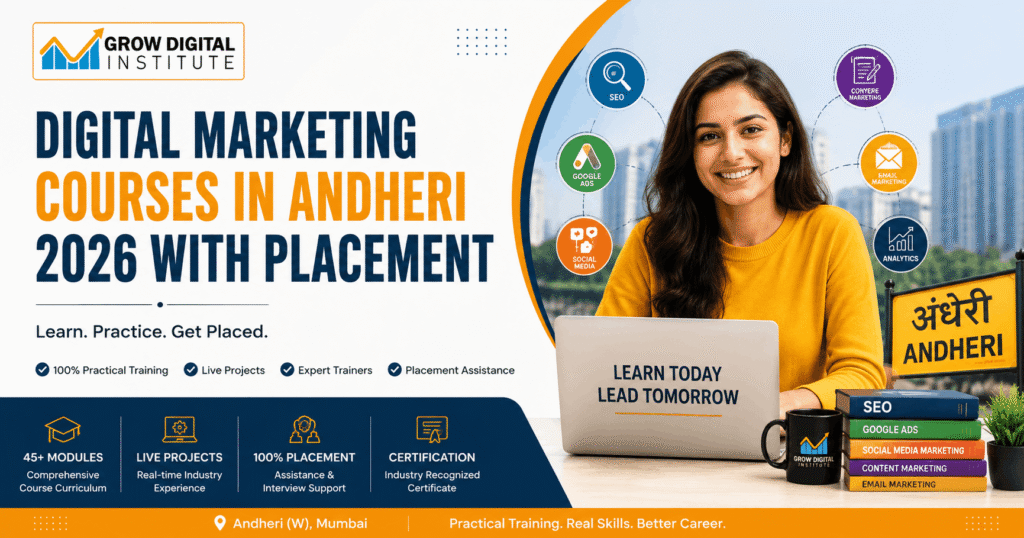
Digital marketing is the use of online channels, tools, and strategies to promote products or services and connect with potential customers. Unlike traditional marketing, which relies on print ads, TV, or radio, digital marketing leverages the internet to reach a wider and more targeted audience. 1. Pragya Sharma – Certified Digital Marketer in Mumbai Pragya Sharma is a certified digital marketer in Mumbai specializing in SEO services, social media marketing, Google Ads management, website development, and lead generation strategies. She focuses on data-driven digital marketing solutions that help businesses increase search engine rankings, generate high-quality leads, and improve overall online visibility. Her performance-focused approach ensures sustainable growth and higher ROI for startups and established brands alike. Contact Details:Lokhandwala Circle, Andheri West, MumbaiEmail: digitalpragya02@gmail.comPhone: 9829317381Website: https://digitalpragya.co.in/ 2. Digital Seema – Digital Marketing Expert in Andheri West Digital Seema is a certified digital marketing expert in Mumbai offering comprehensive digital marketing services including SEO optimization, social media management, Google Ads campaigns, and online branding. She helps businesses enhance their digital presence through strategic campaign planning and performance-based marketing solutions. Contact Details:Office No. 528, Laxmi Mall, Andheri (W), Mumbai – 400053Phone: +91 7355639196Email: digitalseemabhattgmail.comWebsite: https://digitalseema.co.in/ 3. Digital Bishwajeet – Performance Marketing Specialist Digital Bishwajeet is a certified digital marketer in Mumbai delivering end-to-end digital marketing solutions such as search engine optimization (SEO), paid advertising, and social media campaigns. His expertise lies in driving targeted traffic, improving conversion rates, and maximizing ROI through data-driven marketing strategies. Contact Details:2/10 Shere-Punjab, Andheri East, Mumbai – 400093Phone: 9137049060Email: bishwajeetdigital6@gmail.comWerbsite: https://digitalbishwajeet.co.in/ 4. Digital Sumit – SEO & Lead Generation Expert Digital Sumit is a certified digital marketer in Mumbai providing full-scale digital marketing services including SEO, Google Ads, social media marketing, and online lead generation. His approach focuses on increasing website traffic, improving keyword rankings, and generating consistent business growth through performance marketing techniques. Contact Details:Vile Parle, MumbaiPhone: +91 9967008434Email: growdigitalsumit@gmail.comwebsite: https://digitalsumit.co.in/ 5. Digital Anish Choudhary – SEO & Branding Strategist Digital Anish Choudhary is a certified digital marketer in Mumbai offering complete digital marketing solutions for startups and growing businesses. His services include search engine optimization, social media advertising, paid campaigns, and brand positioning strategies designed to increase online visibility and customer engagement. Contact Details:Andheri West, Mumbai – 400053Phone: +91 9702677456Email: digitalanishchoudhary@gmail.comwebsite: https://digitalanish.co.in/ 6. Digital Ravi Sharma – Online Marketing Consultant Digital Ravi Sharma is a certified digital marketing consultant in Mumbai specializing in SEO services, Google Ads management, and social media marketing strategies. He works with businesses to improve search rankings, drive targeted leads, and achieve scalable online growth using data-backed digital marketing campaigns. Contact Details:Andheri West, Mumbai – 400058Phone: 9619442193Email: digitalravi009gmail.comwebsite: https://digitalravi.co.in

BLOG

Privacy,Ethics,and Trust in DigitalMarketing:Why they Matter in 2026

In 2026, digital marketing is more advanced, intelligent, and data-driven than ever before. Businesses use artificial intelligence, automation, predictive analytics, influencer collaborations, and personalized advertising to connect with consumers across websites, apps, and social media platforms. While these innovations have made marketing more efficient and targeted, they have also raised serious concerns about privacy, ethics, and trust. In today’s digital environment, these three elements are not optional—they are essential for sustainable business success. Privacy in digital marketing refers to the protection of personal information collected from users. Companies gather vast amounts of data such as browsing history, purchase behavior, location data, search queries, and social media interactions. This information helps brands create personalized advertisements and recommendations. However, if this data is misused, shared without consent, or poorly protected, it can lead to serious consequences. By 2026, consumers are far more aware of how their data is tracked and used. They expect transparency and control over their personal information. Strict privacy regulations have made data protection a legal requirement. Laws such as the General Data Protection Regulation (GDPR) in Europe and the California Consumer Privacy Act (CCPA) in the United States require companies to obtain user consent, explain data usage clearly, and allow customers to request deletion of their information. Failure to comply can result in heavy fines and reputational damage. In 2026, companies that prioritize privacy not only follow the law but also gain customer confidence. Ethics in digital marketing refers to conducting marketing activities honestly, fairly, and responsibly. Ethical marketing avoids misleading advertisements, hidden terms and conditions, fake reviews, manipulated pricing, and deceptive clickbait headlines. With the rapid development of AI tools, ethical concerns have increased significantly. AI can generate realistic images, videos, and content, making it easier to create misleading promotional material. Deepfake technology, automated bots, and synthetic reviews can influence consumer decisions unfairly. In 2026, consumers value authenticity and transparency more than ever. They expect influencers to disclose sponsored partnerships and brands to clearly label paid advertisements. Ethical marketing builds credibility and long-term relationships. When companies act responsibly, customers feel respected and are more likely to remain loyal. On the other hand, unethical practices can quickly spread across social media, leading to public backlash and brand damage. Trust is the foundation of digital marketing success. Unlike traditional shopping, online consumers cannot physically examine products before purchasing. They rely on brand reputation, online reviews, and digital interactions. Trust is built when companies communicate honestly, protect customer data, and deliver what they promise. In 2026, trust has become even more important because online scams, phishing attacks, and data breaches are common. Customers are cautious about sharing personal information with unfamiliar brands. Artificial intelligence plays a major role in digital marketing strategies today. AI analyzes consumer data, predicts purchasing behavior, and automates advertising decisions. While AI improves efficiency and personalization, it also raises ethical questions. Are customers aware that algorithms are tracking their behavior? Are AI systems biased in targeting specific groups? Is personal data being stored securely? Responsible AI usage requires transparency, fairness, and accountability. Companies must explain how their AI systems work and ensure that they do not discriminate or misuse data. Privacy, ethics, and trust matter in 2026 for several important reasons. First, consumer awareness is at an all-time high. People understand their digital rights and demand better protection. Second, competition in the digital marketplace is intense. Brands that demonstrate ethical behavior and strong privacy policies gain a competitive advantage. Third, trust directly influences customer loyalty. A single data breach or unethical campaign can permanently damage a company’s reputation. Moreover, digital word-of-mouth spreads quickly. Negative reviews, social media criticism, and online activism can harm a brand within hours. Companies must therefore act responsibly at all times. Ethical marketing is no longer just a moral obligation—it is a strategic necessity. Businesses that prioritize transparency and fairness are more likely to build strong emotional connections with their audience. In conclusion, privacy, ethics, and trust are the pillars of successful digital marketing in 2026. As technology becomes more advanced and data-driven, companies must balance innovation with responsibility. Protecting customer information, practicing honest marketing, and building transparent relationships are critical for long-term growth. In the digital age, trust is the most valuable currency. Brands that respect privacy and uphold ethical standards will not only survive but thrive in the evolving marketing landscape.

Uncategorized

What is Artificial Intelligence in digital marketing?

Artificial Intelligence (AI) in digital marketing refers to the use of advanced technologies that enable machines and software to perform tasks that normally require human intelligence. These tasks include analyzing large amounts of data, understanding customer behavior, predicting future trends, personalizing content, and automating marketing activities. AI helps businesses make smarter decisions, improve customer experiences, and increase overall marketing efficiency. In today’s digital world, customers interact with brands through websites, social media, mobile apps, and emails. Every interaction generates valuable data such as clicks, searches, purchases, likes, and comments. AI systems collect and analyze this data quickly and accurately. Unlike humans, AI can process massive volumes of information in seconds, identify patterns, and generate insights that help marketers create effective strategies. One of the most important applications of AI in digital marketing is personalization. Modern consumers expect customized experiences. AI studies a user’s browsing history, purchase behavior, and preferences to deliver personalized recommendations. For example, when you shop online and see “recommended for you” products, that is AI at work. Personalization increases customer satisfaction and improves the chances of conversion. Another major use of AI is chatbots and virtual assistants. AI-powered chatbots can respond to customer queries instantly, 24/7, without human involvement. They can answer frequently asked questions, guide users through websites, and even help complete purchases. This improves customer service while reducing business costs. Chatbots also collect customer data, which can be used to further enhance marketing strategies. AI also plays a key role in predictive analytics. Predictive analytics uses historical data to forecast future behavior. For instance, AI can predict which customers are likely to make a purchase, which ones may stop using a service, or which products will become popular. With this information, businesses can create targeted campaigns and reduce marketing risks. Predictive insights help companies focus their efforts on high-potential customers.

BLOG

What is Influencer Marketing ?Elaborate it in 700 to 800 words.

Influencer marketing is a form of digital marketing in which brands collaborate with individuals who have a strong online presence and a loyal following to promote their products or services. These individuals, known as influencers, have the power to affect the purchasing decisions of their audience because of their credibility, expertise, or relationship with their followers. In simple terms, influencer marketing is a strategy where businesses partner with popular content creators on platforms like Instagram, YouTube, TikTok, Facebook, and LinkedIn to reach a targeted audience in an authentic and engaging way.

BLOG

What is Digital Marketing

Digital marketing is the promotion of products or services using the internet and digital technologies such as websites, social media, search engines, email, and mobile apps. Instead of traditional methods like TV, radio, or newspapers, digital marketing helps businesses reach people online, where they spend most of their time today. Simply put:👉 Digital marketing = Marketing through digital channels. Main Types of Digital Marketing 1️⃣ Search Engine Optimization (SEO) 4 SEO is the process of improving your website so it appears higher on search engines like Google. Example:If someone searches for “best shoes online” and your website appears on the first page — that’s SEO. Types of SEO: 2️⃣ Social Media Marketing (SMM) 4 Marketing through platforms like: Businesses use these platforms to: 3️⃣ Content Marketing 4 This focuses on creating valuable content such as: Goal: Educate and attract customers instead of directly selling. 4️⃣ Email Marketing 4 Sending promotional messages through email to: Example: Online store sending discount offers to customers. 5️⃣ Pay-Per-Click Advertising (PPC) 4 Businesses run paid ads and pay only when someone clicks. Example platforms: 6️⃣ Affiliate Marketing 4 People promote a company’s product and earn a commission for each sale. Example: A blogger shares a product link and earns money when someone buys through it. 7️⃣ Influencer Marketing 4 Brands collaborate with social media influencers to promote products. Example: A fashion influencer promoting a clothing brand. Simple Summary Table Type Main Purpose SEO Rank higher on Google Social Media Build brand & engagement Content Marketing Educate & attract customers Email Marketing Direct communication PPC Paid traffic Affiliate Marketing Commission-based promotion Influencer Marketing Promotion through popular creators

Scroll to Top